

Poker Player Types: Fish, Nit, Whale and Donkey
A fish in poker is a weak, unskilled player who consistently loses money at the table, usually because of poor decision-making rather than bad luck. Fish, nit, whale, donkey and grinder are five labels regulars use to sort opponents by skill and behavior. Understanding what is a fish in poker, alongside terms like whale, nit, donkey and grinder, helps newer players read a table before a single card gets dealt.
What Is a Fish in Poker
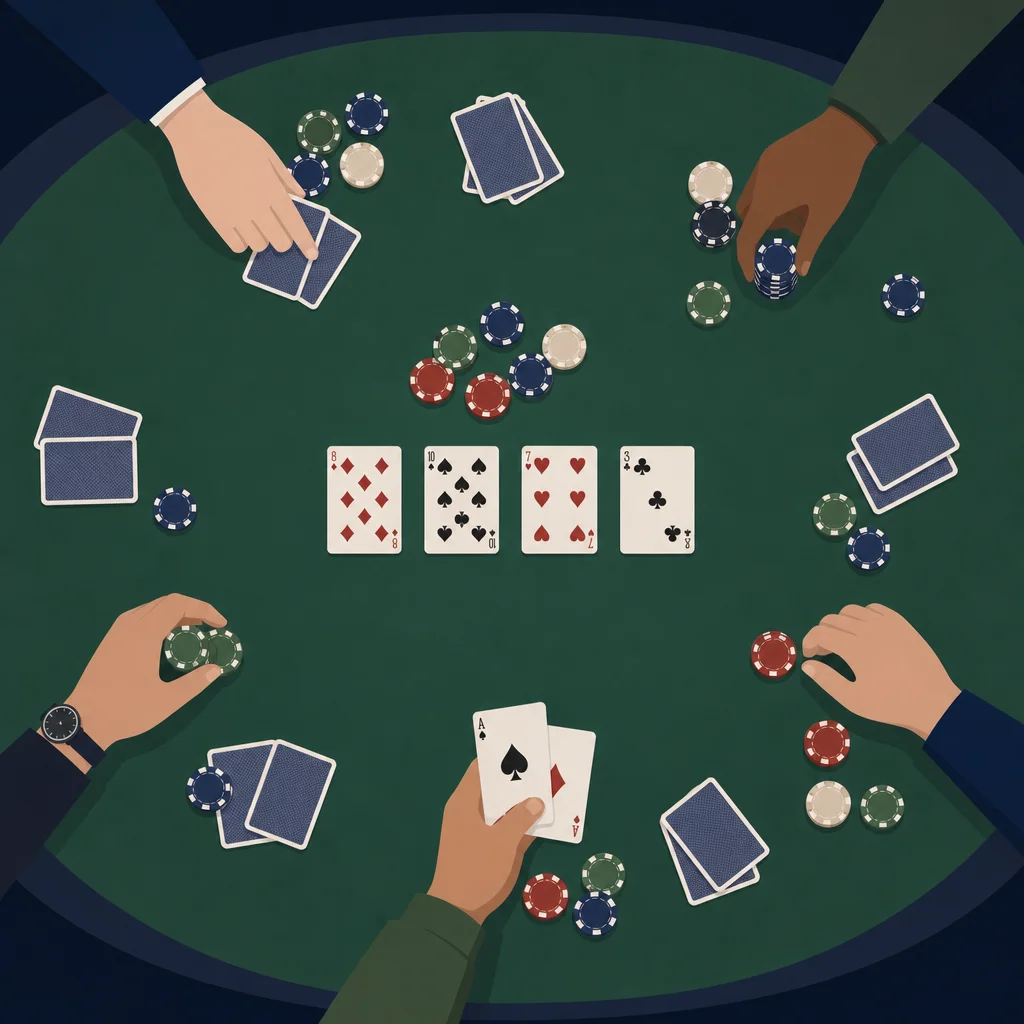
A fish plays too many hands, calls too often, and rarely folds even when the math says they should. This player type is the most common target of profitable poker strategy because their mistakes are large and repeated. A fish might call three streets with a weak pair simply hoping to catch a miracle card. Regulars often use poker slang for a weak player interchangeably with fish, though fish carries a slightly broader, more general meaning across cash games and tournaments.
Why Is It Called a Fish in Poker
The nickname comes from an old gambling metaphor: sharks hunt fish, and skilled players treat weak opponents the same way. Fish are seen as easy prey that swim into a game without fully understanding the currents around them. For example, a player who buys in short, plays every hand, and leaves quickly resembles a fish that gets caught fast and often. The term spread into mainstream poker commentary during the televised poker boom of the mid-2000s.
How to Spot a Fish in Poker
Spotting a fish early saves time and chips. Watch for players who limp into pots with a wide range of starting hands instead of raising or folding. Notice how often someone calls a river bet without much hesitation, since fish tend to pay off value bets rather than fold marginal holdings. A fish also tends to show emotion after a bad beat, tilting into looser play afterward.
- Limps into many pots instead of raising or folding
- Calls down multiple streets with weak or marginal hands
- Buys in for the table maximum without adjusting strategy to stakes
- Shows visible frustration or tilt after losing a big pot
- Rarely bluffs and rarely folds a made hand
What Is a Nit in Poker
A nit sits at the opposite end of the spectrum from a fish. This player folds almost everything except premium hands, rarely bluffs, and avoids marginal spots that carry any real risk. Because nits play so few hands, experienced opponents can often win small pots uncontested just by applying steady pressure. Regulars sometimes exploit a nit by raising liberally, knowing the nit will fold anything short of a monster hand.
What Is a Whale in Poker Terms
A whale is a recreational player who gambles with large sums of money and represents significant potential profit for the table. Casinos and poker rooms track whales closely, sometimes offering perks like free travel or high-limit invitations to keep them playing. The poker term whale usually implies deep pockets combined with loose, high-variance decisions, not necessarily poor skill alone. A whale differs from a fish mainly in bankroll size and stakes chosen, while a fish can appear at any buy-in level.
What Is a Donkey in Poker Terms
A donkey is a player whose decisions seem to defy logic, often making large bluffs or calls that ignore basic pot odds and hand-reading. The poker term donkey carries a sharper, more mocking tone than fish, frequently used after a hand where the player's line made little strategic sense. For instance, a donkey might shove all-in with a weak draw against an obvious made hand and occasionally win. Despite the insult, donkeys can still win short-term pots purely through unpredictability and variance.
Grinders and the Skill Spectrum
A poker term grinder describes the disciplined opposite of a fish or donkey, a player who logs long sessions and profits through small, repeated edges rather than big gambles. Grinders study hand histories and adjust their play based on population tendencies at a given stake. For terminology around specific statistical measures grinders track, see our breakdown of betting terms, and for colorful table nicknames beyond these five archetypes, check our guide to poker slang.
Labels Are Not Fixed
Common Ground Between the Labels
These five labels overlap because real players rarely fit one box perfectly. A whale might play donkey-style hands one night and tighten up like a nit the next. A grinder watching closely will reclassify opponents hand by hand rather than trusting a single label all session. A standard external reference on the subject is Wikipedia's glossary of poker terms.