

How to Play Poker: Step-by-Step From Deal to Showdown
Poker is a card game in which players wager on the strength of their hands, using betting rounds and card combinations to win a shared pot. Learning how to play poker means following one hand in order: the shuffle, the deal, four rounds of betting, and the showdown where the best hand collects the pot. This guide walks through that sequence exactly as it happens at a table, covering the physical actions a beginner needs rather than the strategic decisions behind them.

Setting Up the Table
Before any cards move, the table needs a dealer, a deck, and chips. One player is designated dealer for the hand, marked with a small disc called the dealer button. The two players to the dealer's left post forced bets called the small blind and big blind, which seed the pot before anyone sees a card.
Learning how to play poker with chips starts here: chips are exchanged for cash values, and each color represents a fixed denomination.
Getting Dealt In
The dealer shuffles a standard 52-card deck and deals each player two private cards, known as hole cards, one at a time in clockwise order. In Texas Hold'em, the most widely played variant, this two-card starting hand stays hidden from opponents until showdown. Knowing how many cards to play poker starts with these two hole cards, which combine later with shared cards on the table.
A separate guide on our site covers which starting hands are worth entering a pot with in more depth, since that decision sits outside this step-by-step sequence.
The First Betting Round
Betting starts immediately after the hole cards are dealt, with the player to the left of the big blind acting first. Each player chooses to fold, call, or raise in turn. Folding surrenders the hand and any chips already committed; calling matches the current bet; raising increases it. This round, called preflop, ends once every active player has put in an equal number of chips.
The Flop, Turn, and River
After preflop betting closes, the dealer places three community cards face up in the middle of the table -- this is the flop -- followed by a second betting round using the same fold, call, or raise structure. A single card called the turn follows, then a third betting round, and finally the river, the fifth and last community card, triggers the fourth and final round.
Players build their best five-card hand from their two hole cards and the five shared cards on the board -- the core mechanic behind how to play poker rules.
| Stage | What Happens | Cards in Play |
|---|---|---|
| Setup | Dealer button and blinds are posted | 0 |
| Deal | Hole cards distributed | 2 per player |
| Preflop | First betting round | 2 per player |
| Flop | Three community cards revealed, betting resumes | 5 total |
| Turn | Fourth community card revealed, betting resumes | 6 total |
| River | Fifth community card revealed, final betting round | 7 total |
| Showdown | Remaining hands compared, pot awarded | 7 total |
Reaching Showdown
If two or more players remain after the river betting closes, the hand reaches showdown. Players reveal their hole cards in turn, starting with the last aggressor or the player closest to the dealer's left if no one bet. The dealer compares hands using the standard ranking order, from high card up to royal flush, and pushes the pot to the winner.
Formal edge cases in this ranking and other rule disputes are addressed on our dedicated rules page, including split pots and side-pot situations that fall outside a single straightforward hand. The same ground is covered in reference form by Wikipedia's poker article.
Five Cards Decide the Winner
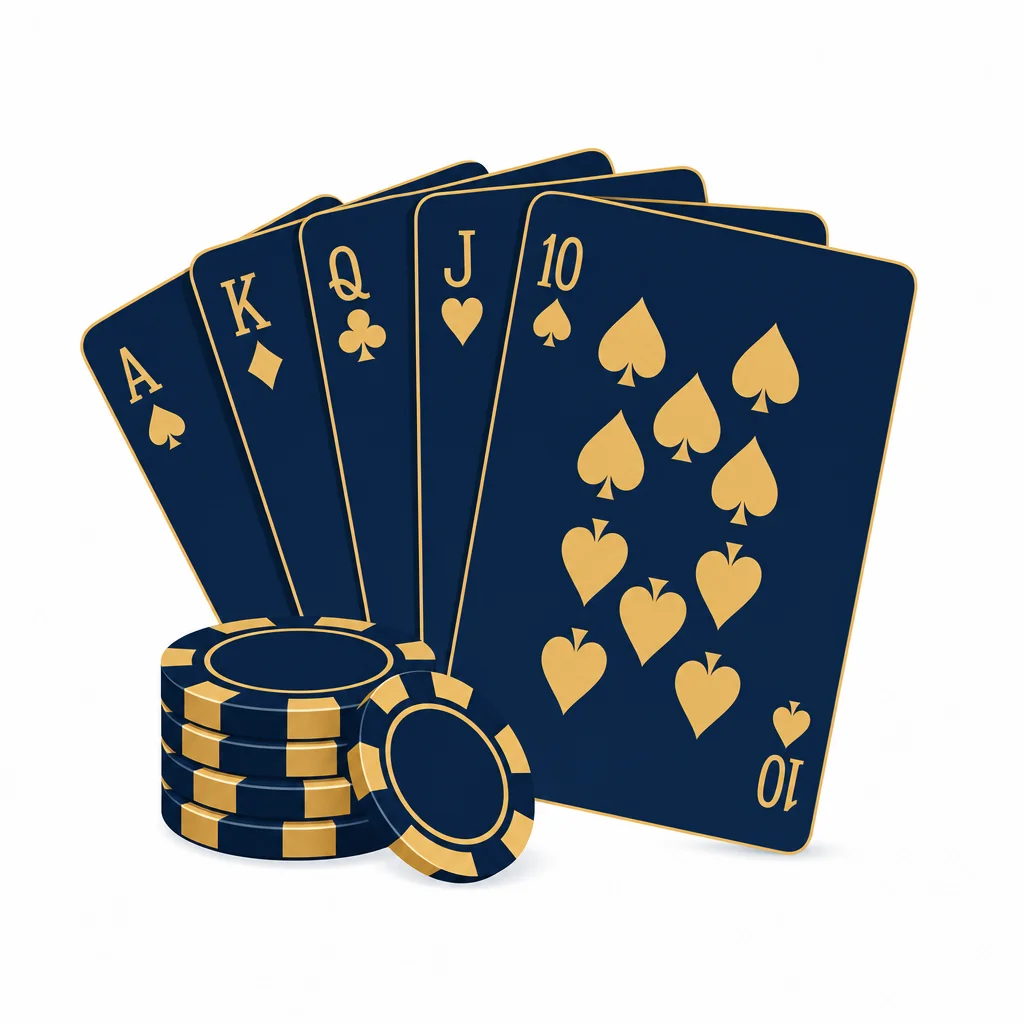
- How many people to play poker: most home and cardroom games seat two to ten players at one table.
- What do you need to play poker: a standard 52-card deck, poker chips, and a flat table with enough seats.
- How do you play poker in the simplest terms: deal, bet, reveal shared cards, bet again, then compare hands at showdown.