
Poker Starting Hands: Which Holdings Are Playable
A starting hand is the two-card holding a player receives before the flop, and starting hands poker decisions set the direction for every hand that follows. Because no community cards are visible yet, players judge a hand's strength by its raw category — pair, suited connector, or offsuit broadway — rather than by board texture. This entry covers how those categories are grouped, how position and table size widen or narrow the set of poker hands to play, and how a starting hand rankings poker chart translates those groups into a usable pregame reference.
Categories of Playable Starting Hands
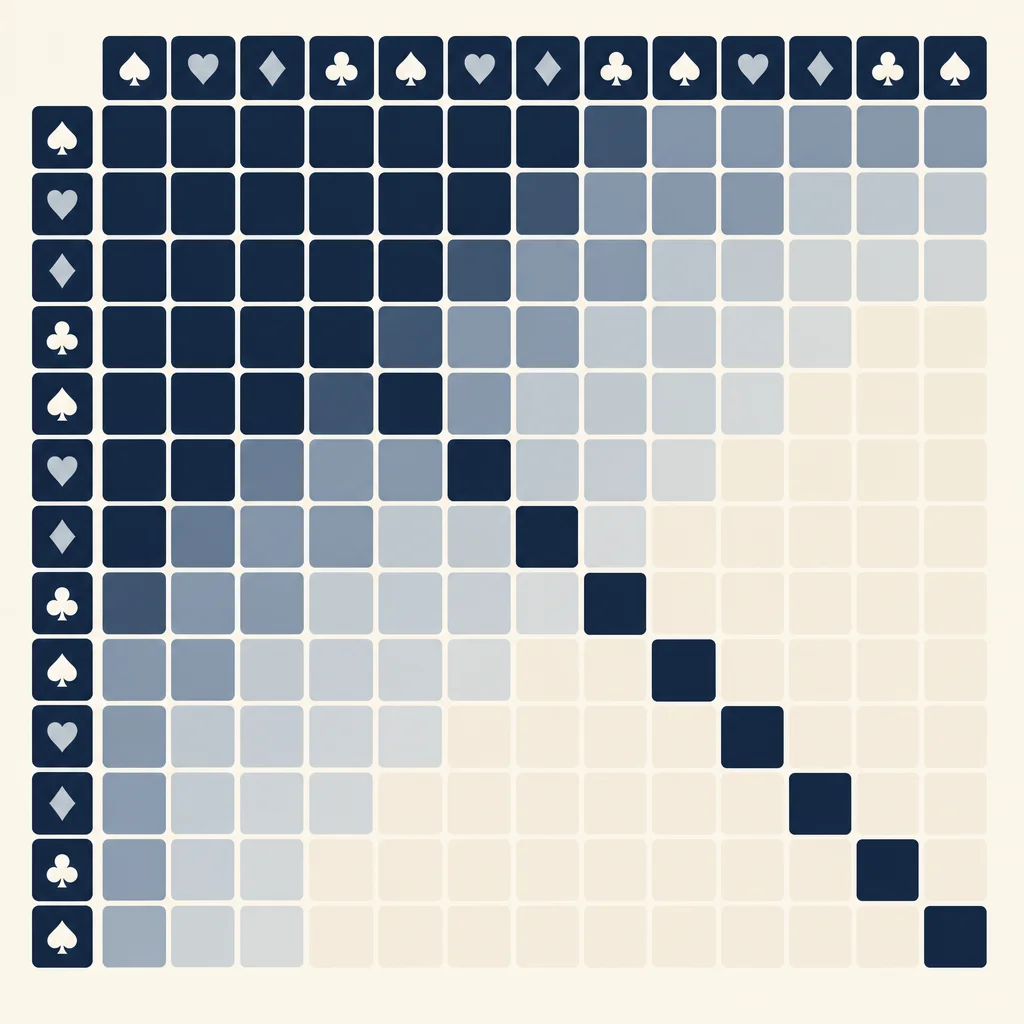
Starting hands split into a handful of recognizable groups. Pocket pairs (22 through AA) hold implied set-mining value. Suited connectors (98s, 76s) carry straight and flush potential. Suited aces (A2s through AJs) combine blocker value with flush potential. Offsuit broadway cards (KQo, AJo) play well against a narrow range of opponents. Each group performs differently depending on how many players see the flop and what action comes before a player's turn.
A chart-based approach groups these categories by raw equity and postflop flexibility, not by gut feeling. Suited hands consistently outperform their offsuit equivalents by three to four percentage points of equity in a heads-up pot, which is why most poker hands you should play charts separate suited and offsuit versions of the same two ranks into different tiers.
Related Entries
How Position Changes Which Hands Are Playable
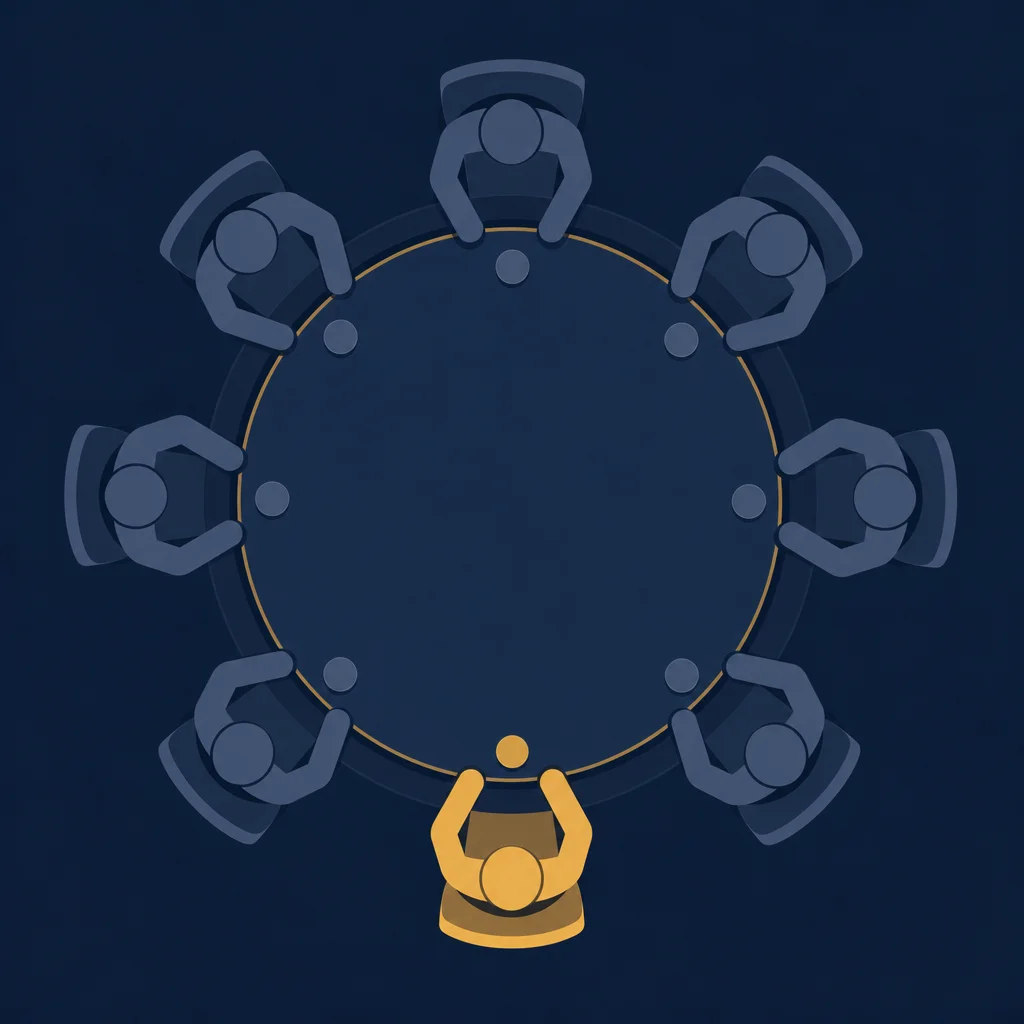
Table position is the single biggest factor in how many starting hands in poker a player can profitably open. A player acting first at a nine-handed table faces eight opponents still to act, so the profitable opening range is narrow — typically pocket pairs and strong broadway combinations. A player in the cutoff or on the button faces far less action behind, so the range widens to include suited connectors, suited one-gappers, and weaker suited aces.
- Early position (under the gun and the seat after it): the tightest range on the table.
- Middle position: adds suited broadway hands and stronger suited aces.
- Late position (cutoff, button): the widest range, often 40-50% of two-card combinations shorthanded.
- The blinds: defend a different, wider range than they would open, since chips are already committed.
Table Size and Range Width
Table size also reshapes which starting hands stay playable. A six-max table has fewer opponents per hand than a full nine-handed ring game, so opening ranges widen across every seat. A hand like 76s might be an easy fold from early position at a nine-handed table yet a standard open from the same seat at a six-max table, simply because two fewer players stand a chance of holding a stronger hand behind.
| Category | Early Position | Middle Position | Late Position |
|---|---|---|---|
| Pocket pairs (22-AA) | Open (77+) | Open (55+) | Open (22+) |
| Suited connectors | Fold | Open (98s+) | Open (54s+) |
| Offsuit broadway | Open (AQo+) | Open (AJo+) | Open (KTo+) |
The table above outlines how three common categories shift from fold to open as position moves later at a full table — the pattern most starting hand rankings poker charts are built around. Heads-up and short-handed formats (three to four players) push this further, widening playable ranges to include most suited hands and many offsuit combinations that would never see action at a full table.
Reading a Starting Hand Chart
A starting hand rankings poker chart is typically laid out as a 13-by-13 grid, with pairs along the diagonal, suited combinations above it, and offsuit combinations below. Reading one correctly means matching the seat a player occupies to the column or row the chart assigns to that position, then checking whether the specific two-card holding falls inside the marked boundary for that seat.
Charts vary by format. A chart built for full-ring cash play recommends a tighter set of poker hands to play pre flop than one built for six-max or tournament short-stack play, where survival and fold equity change the math.
Adjusting for Action Ahead
The categories above assume no raise has occurred yet. Once another player raises, the calculus shifts: a hand that was a standard open from a given seat may become a fold, a call, or a 3-bet depending on the raiser's position and typical range. Suited aces and pocket pairs generally retain the most value against a raise, since their equity holds up across a wide range of opponent holdings, while offsuit broadway hands lose relative value against aggression from early position. The same ground is covered in reference form by Wikipedia's poker article.